
Why Leaves Change Color in Fall: A Naturalist’s Guide to Autumn in Jackson Hole
As summer fades into fall, forests across North America transform into breathtaking mosaics of red, orange, and gold. The air turns crisp, the days grow shorter, and the natural world seems to take a deep breath before winter’s rest. But what’s really happening inside those leaves as they shift from lush green to fiery brilliance?
Let’s take a closer look at the science behind autumn’s most iconic transformation.
The Green of Summer: Chlorophyll at Work
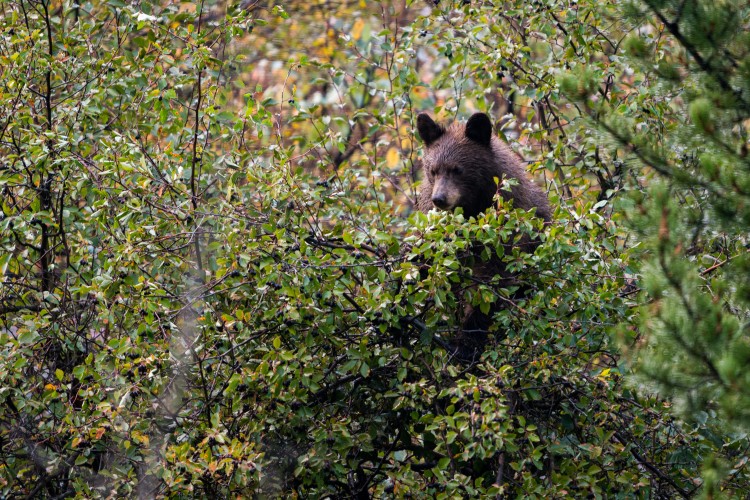
During the growing season, leaves are full of chlorophyll, the green pigment responsible for photosynthesis. This process allows plants to capture sunlight and convert it into energy, fueling their growth throughout spring and summer. Chlorophyll is so dominant that it masks other pigments that are present in the leaves all along — yellows, oranges, and reds that remain hidden beneath the green surface.
The Shift Begins: Less Sunlight, Slower Growth
As autumn approaches, daylight hours shorten and temperatures drop. Trees sense these environmental cues and begin preparing for winter dormancy. The process of photosynthesis slows down, and eventually, the tree stops producing chlorophyll altogether.
With less chlorophyll being made — and the existing chlorophyll breaking down — the green color fades, revealing the pigments that have been there all along.
The Hidden Colors Revealed
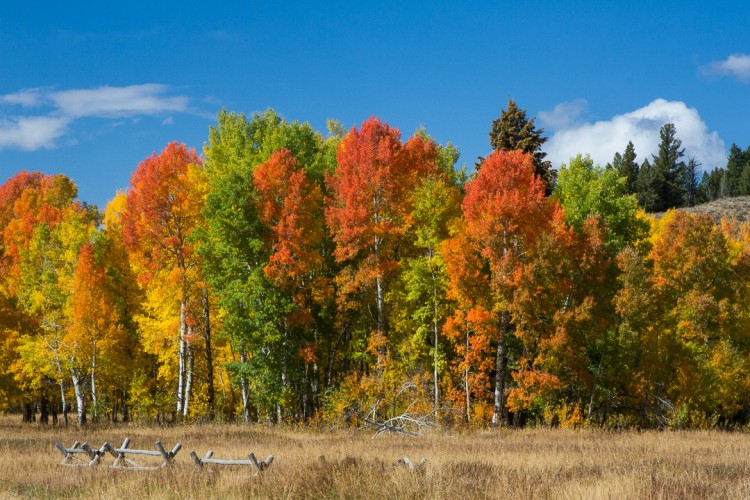
- Carotenoids, the pigments responsible for yellow and orange hues, are the same ones that make carrots and corn brightly colored. They’ve always been in the leaves, just hidden by the green of summer.
- Anthocyanins, on the other hand, are produced in the fall. These pigments create the reds and purples we see in maples, sumacs, and dogwoods. They form when sugars get trapped in the leaves during cool nights and sunny days.
- Tannins give oaks their more subdued brown tones as other pigments fade away.
The exact blend of these pigments — combined with weather conditions — determines each year’s unique color palette.
Aspens and Cottonwoods: Western Icons of Autumn
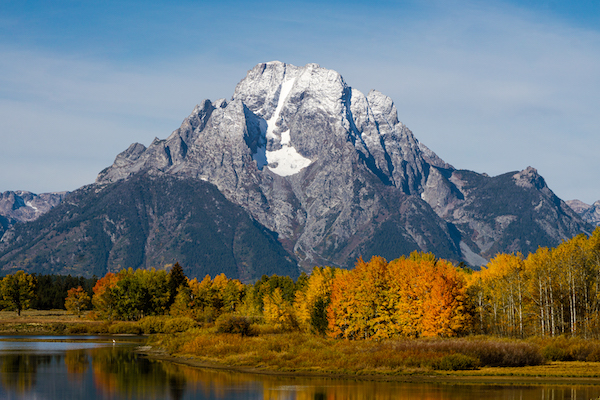
Here in the Rocky Mountain West, quaking aspens and cottonwoods are the undisputed stars of fall. Instead of the fiery reds and purples seen in maples, these trees transform entire hillsides and river corridors into shimmering seas of gold.
Both aspens and cottonwoods owe their color to carotenoids, the yellow pigments that become visible once chlorophyll breaks down. Their leaves don’t produce anthocyanins, which is why their colors range from pale yellow to deep, honeyed gold rather than red.
Aspen leaves, with their flat, flexible stems, tremble and flutter in even the gentlest breeze (hence the name, quaking aspen) — a movement that catches the light and makes whole groves appear to sparkle. Cottonwoods, often found along creeks and rivers, turn a rich amber.
The Role of Weather
The most vibrant fall displays often follow warm, sunny days and cool (but not freezing) nights. Sunshine promotes sugar production in the leaves, while cool nights slow the flow of sap, trapping those sugars and enhancing pigment formation. On the other hand, early frost or heavy rain can dull the colors and cause leaves to fall prematurely.
Letting Go: The Final Step
Eventually, a thin layer of cells called the abscission layer forms where the leaf stem meets the branch. This layer gradually cuts off the flow of water and nutrients, allowing the leaf to detach. When a gust of wind sends it fluttering to the ground, it begins the next stage of the cycle — decomposing and returning its nutrients to the soil, feeding the forest floor for seasons to come.
Autumn’s color show isn’t just beautiful; it’s the visible signature of trees preparing for survival, a reminder of the cycles that sustain all life on Earth.