
Yellowstone’s Lower Geyser Basin
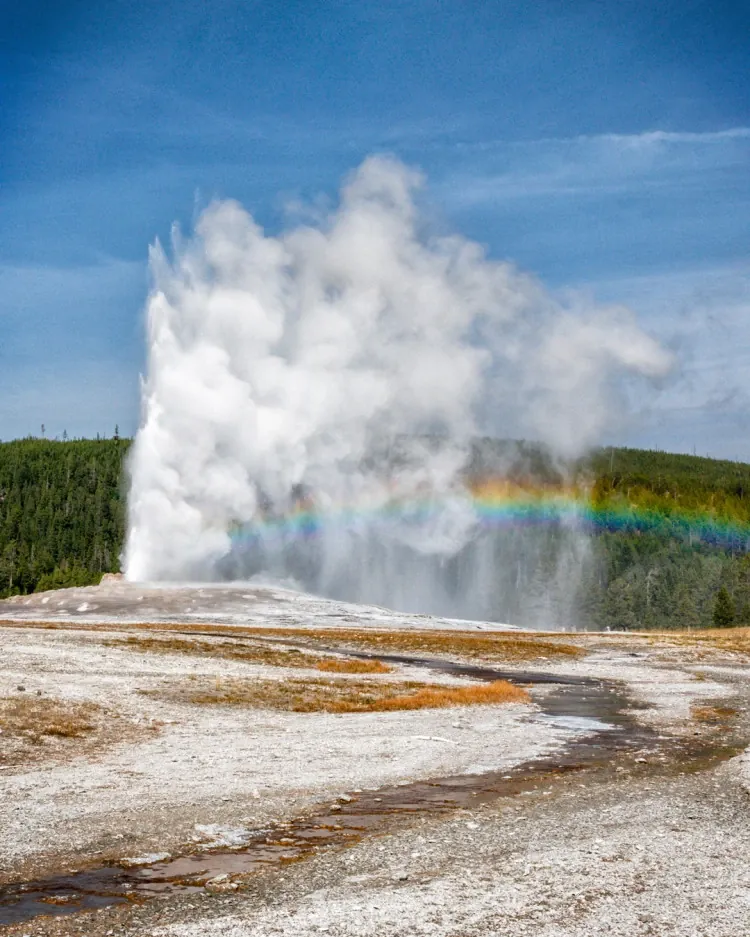
Yellowstone National Park is home to over 10,000 thermal features – geysers, hot springs, fumaroles (steam vents), and mud pots. In fact, this is the exact reason why Yellowstone was designated as the world’s first National Park. Most of these thermal features exist in distinct thermal areas (large clusters of thermal features), of which Yellowstone has 120.
The Lower Geyser Basin is by far the largest thermal area in the park. Covering roughly 15.6 km² (about 3,855 acres, or 2,246 football fields), this basin is home to Old Faithful and Fountain Paint Pots, and produces more geothermal energy than almost anywhere else in the park. According to satellite data, the basin emits 200–500 megawatts of geothermal energy. “To put this into context, one megawatt could power several hundred homes in the U.S.,” geophysicist for the Yellowstone Volcano Observatory Michael Poland writes.
Must-See Features of the Basin
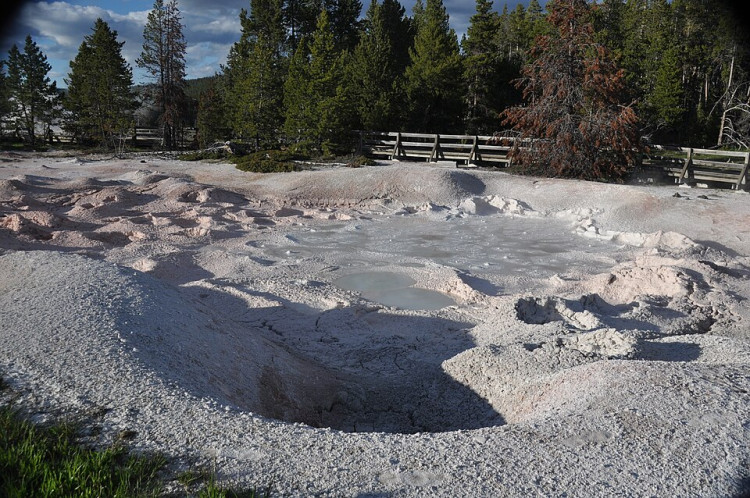
One of the most popular spots is the Fountain Paint Pot Trail, a short boardwalk loop that brings you up close to the basin’s iconic mud pots – muddy pools that bubble and spit like boiling paint. These pools are highly acidic, although neighboring thermal features are far more neutral in acidity. This diversity of water acidity is quite unique to the Lower Geyser Basin, as the two other large geyser basins – Midway and Upper – mostly consist of neutral-alkaline water.
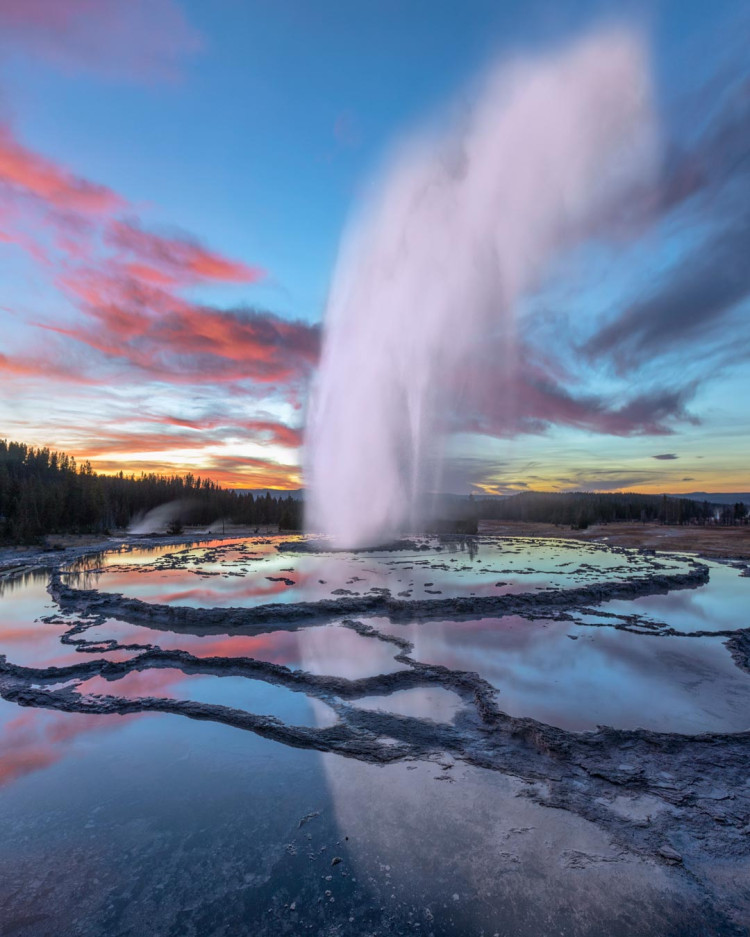
Just a short drive along Firehole Lake Drive, you’ll find Great Fountain Geyser, one of Yellowstone’s most spectacular geysers. It erupts roughly every 12 hours on average, shooting water and steam up to 220 feet high, and because of its predictable pattern, it’s one of the few geysers in the park for which eruption times can actually be forecasted.
Science and Discovery Beneath the Surface
Lower Geyser Basin is also a place of scientific significance. One of the world’s most important microbiological discoveries occurred here: Thermus aquaticus, a heat-loving bacterium found in Mushroom Pool in 1966, led to the development of PCR (polymerase chain reaction), a revolutionary technique used in genetics and medical research worldwide. This discovery even led to a Nobel Prize!
Many small lakes are also found in this basin, which serve as reservoirs for Earth’s climate history. Sediment on the lake beds records tens and hundreds of thousands of years of environmental changes, helping scientists piece together past climates and hydrothermal activity.
Hidden Histories and Dramatic Geology
Look closely at the terrain — it tells a story of ancient glaciers and volcanic force. Thermal kames, mounds of glacial debris fused by hot springs, hint at the area’s history beneath ice sheets. Massive hydrothermal explosion craters, like Pocket Basin, remind us that underground pressure and heat can dramatically reshape the land, sometimes in an instant.
Visiting the Basin
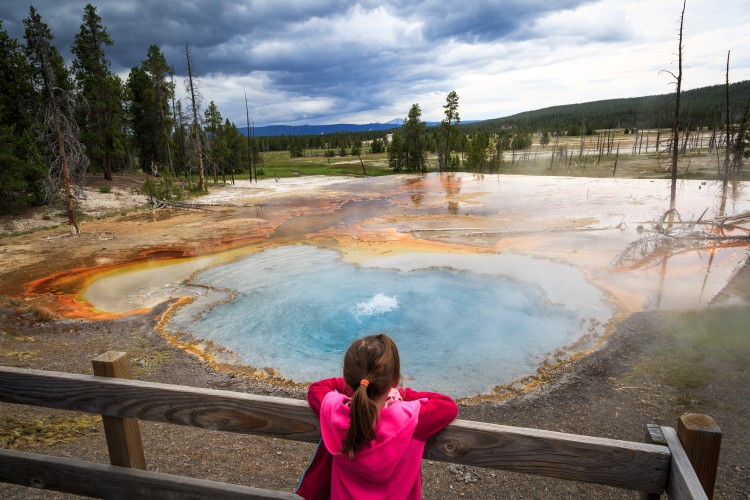
If you’re planning a trip to Yellowstone, Lower Geyser Basin offers something for everyone – from short, accessible boardwalk loops to scenic drives studded with erupting geysers and steaming springs. As with all thermal areas in the park, staying on designated trails and boardwalks is essential for safety, as the ground can be fragile and the water dangerously hot.
Whether you’re captivated by the science beneath your feet, the vivid colors of mineral-rich pools, or the dramatic eruptions of geysers reaching skyward, Lower Geyser Basin promises something exciting at every turn, and is a testament to Yellowstone’s ever-changing landscape.