
Discover the Greater Yellowstone Ecosystem on a Guided Wildlife Tour From Jackson Hole
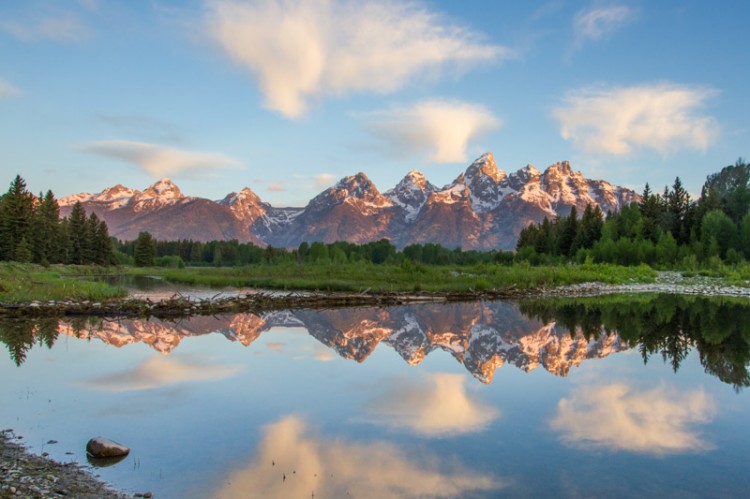
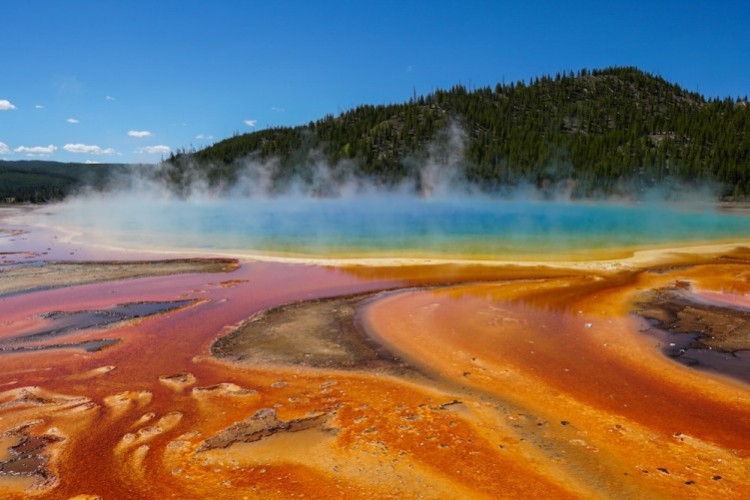
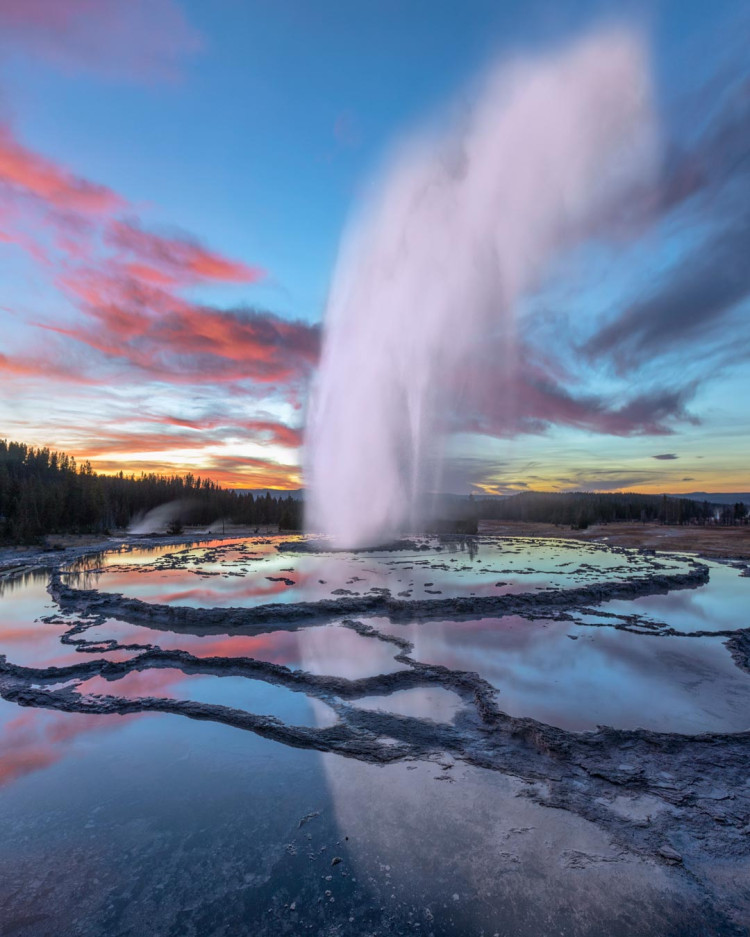
When most people think of Yellowstone, they picture geysers erupting, bison crossing the road, or rainbow-colored hot springs steaming in the cold air. But Yellowstone National Park is only the heart of something much larger and even more remarkable: the Greater Yellowstone Ecosystem.
Spanning about 22 million acres – or ten times the size of Yellowstone National Park – across Wyoming, Montana, and Idaho, the Greater Yellowstone Ecosystem (GYE) is one of the largest nearly intact temperate ecosystems remaining on the planet.
What do we mean by nearly intact? This means that the plant and animal life present today is nearly identical to what was present prior to human contact. This can be said about very few places in the world – in fact, only 3% of the Earth’s ecosystems are considered “intact.” The GYE is a place where ecological processes—migration, predation, fire, and renewal—still function much as they have for thousands of years.
What Is the Greater Yellowstone Ecosystem?
The Greater Yellowstone Ecosystem includes Yellowstone and Grand Teton National Parks, as well as surrounding National Forests, wildlife refuges, Tribal lands, Bureau of Land Management holdings, state lands, and private lands. Unlike a park boundary drawn on a map, the ecosystem is defined by natural connections: watersheds, wildlife movement, climate patterns, and plant communities.
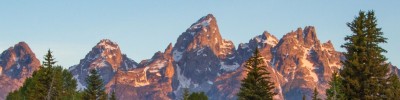
From alpine peaks and dense forests to wide sagebrush plains, marshes, lakes, and winding rivers, the variety of habitats in the GYE supports a rich web of life. Animals don’t recognize park borders, and neither do rivers or wildfires. Elk migrate seasonally from high mountain meadows to lower valleys and grizzly bears roam hundreds of miles in search of food. Snowmelt from the GYE’s thousands of mountain peaks feeds rivers that support communities far downstream.
Together, these connections create a living system that extends far beyond any single protected area.

A Stronghold for Wildlife
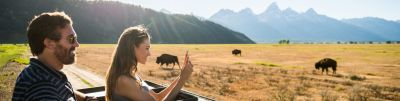
One of the benefits of having so much undeveloped land is that wildlife species have the chance to roam large expanses, establish territories, and access food largely without being impeded by human development. In fact, the GYE boasts one of the largest concentrations of wildlife in the Lower 48. Opportunities abound to see incredible animals, including:
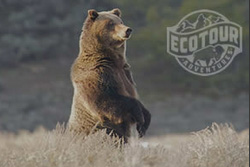
- Grizzly bears and black bears
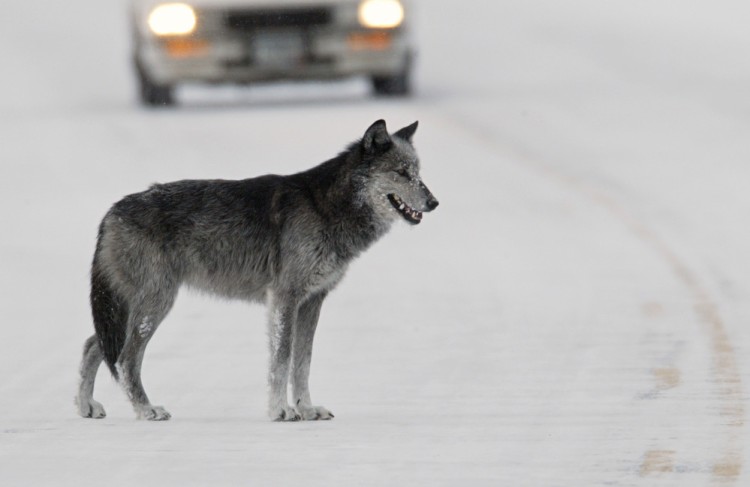
- Gray wolves
- Bison, elk, and moose
- Pronghorn antelope and bighorn sheep
- Mountain lions and lynx (rare, but still possible!), and more!
As we guide guests on wildlife tours through Grand Teton and Yellowstone National Parks, we are watching the same wildlife species that were viewed by early peoples thousands of years ago.
Fire, Water, and Geology Shape the Land
In addition to its wildlife, the Greater Yellowstone Ecosystem is defined by powerful natural forces. Wildfire, often viewed as destructive, plays a crucial role in renewing forests and maintaining habitat diversity. Many plant species depend on fire to regenerate, and burned landscapes create new opportunities for wildlife.
Water is another defining element. The headwaters of major rivers—including the Yellowstone, Snake, and Green Rivers—originate here. Uniquely, the region straddles the Continental Divide, meaning water from these landscapes eventually reaches both the Atlantic and Pacific Oceans. These rivers support aquatic life, agriculture, and human communities far beyond the ecosystem itself.
Beneath it all lies Yellowstone’s famous geology. The region sits atop a volcanic hotspot, fueling geothermal features found nowhere else on Earth and shaping soils that support unique plant life.
People and the Ecosystem
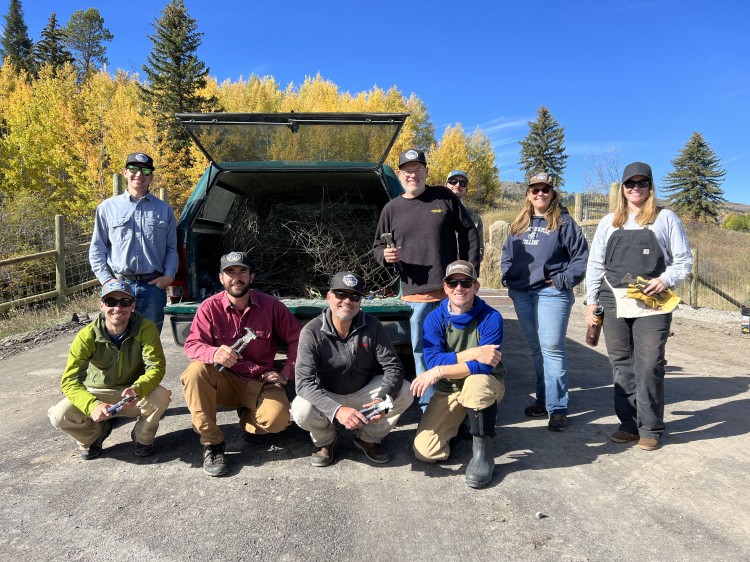
Humans are part of the Greater Yellowstone Ecosystem, too. Indigenous peoples have lived in and cared for this region for thousands of years, developing deep relationships with the land that continue today. More recently, ranchers, conservationists, scientists, recreationists, and residents all play a role in shaping the future of the ecosystem.
Balancing wildlife conservation with growing human populations, development, and climate change is one of the region’s greatest challenges. Climate change, in particular, looms large, altering temperature and precipitation patterns. This affects snowpack, stream flow, forests, and the timing of seasonal events critical to wildlife survival. For example, warming temperatures have enabled mountain pine beetles to reproduce more frequently, devastating high-elevation whitebark pine forests that regulate snowmelt and support wildlife species.
Other challenges include invasive species, habitat fragmentation from development, and complex management across jurisdictions—federal, state, Tribal, and private lands all have different rules and management priorities.
Conserving a Living Landscape
Protecting the GYE takes cooperation and dedication. Federal and state agencies work with nonprofits and local stakeholders to conserve wildlife corridors, defend river habitats, and promote climate resilience. Groups like the Greater Yellowstone Coalition, WYldlife for Tomorrow, and The Nature Conservancy are active in land protection, restoration, and policy efforts that aim to keep this ecosystem healthy for generations to come.
The Greater Yellowstone Ecosystem is more than a scenic destination—it is a living laboratory and a reminder of what functioning ecosystems can look like. It teaches us how interconnected the natural world truly is and how thoughtful stewardship can preserve wild places for future generations.
In a world where many ecosystems have been fragmented or heavily altered, the Greater Yellowstone stands as a rare example of resilience and hope. Protecting it isn’t just about preserving beauty—it’s about safeguarding one of the last places where nature still operates on its own terms.