
Guardians of the Yellowstone Bioregion: Threatened & Endangered Species of the Greater Yellowstone Ecosystem

The Greater Yellowstone Ecosystem (GYE) is one of the last largely intact temperate ecosystems on Earth — a sprawling mosaic of high mountain forests, alpine meadows, riparian corridors, sagebrush steppe, and glaciers. But “intact” doesn’t mean untouched by modern pressures. Several species that help define the GYE are officially listed as threatened or endangered (or proposed for listing), including the Canada lynx, grizzly bear, wolverine, yellow-billed cuckoo, whitebark pine, monarch butterfly, and Suckley’s cuckoo bumble bee (USFWS 2025).
The Endangered Species Act: A Lifeline for Wildlife
Passed in 1973, the Endangered Species Act (ESA) is often described as the strongest wildlife conservation law in the world. It provides a legal framework to:
- List species as endangered or threatened when they face extinction risks.
- Designate critical habitat to protect the places species need to survive and recover.
- Prohibit harm or “take” of listed wildlife.
- Develop and implement recovery plans that guide restoration of populations and ecosystems.
The ESA has been instrumental in preventing extinction of iconic species like the bald eagle, peregrine falcon, and gray wolf. In the Greater Yellowstone Ecosystem, it underpins protections for lynx, grizzly bears, whitebark pine, and others. Without ESA safeguards, these species would be far more vulnerable to habitat loss, climate change, and human pressure.
At its core, the ESA isn’t just about saving individual species. It’s about maintaining the ecological web of life that sustains landscapes like Yellowstone — from alpine pines that shelter snowpack, to pollinators that fertilize wildflowers, to wide-ranging carnivores that balance prey populations.
Species Snapshots
Canada lynx (Lynx canadensis) — Threatened
Life history & needs: The Canada lynx is a medium-sized, specialist felid (or cat) whose population dynamics are tightly coupled to cycles of snowshoe hares. Lynx favor boreal and subalpine forests with dense understory and deep, soft snow that limits competition from other predators. They are largely solitary and require large, connected tracts of habitat.
Habitat & current conditions in the GYE: Lynx occur in higher-elevation, heavily forested parts of the GYE where snow and understory conditions suit both lynx and hares. Habitat fragmentation, altered forest structure from past logging and fire suppression, and climate-driven changes to snowpack threaten the specialized niche lynx need.
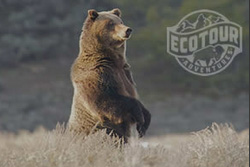
Grizzly bear (Ursus arctos horribilis) — Threatened
.jpg)
Photo by ETA Naturalist Roy Cruz
Life history & needs: Grizzlies have huge home ranges, omnivorous diets that shift seasonally (spring roots and carcasses, summer berries and insects, fall nuts), and long periods of hyperphagia (or periods of extreme, nearly nonstop hunger) to store fat for hibernation. They rely on intact core habitats, connectivity between seasonal foraging areas, and access to natural food sources.
Habitat & current conditions in the GYE: Yellowstone and adjacent ranges remain strongholds for grizzlies, but human-bear conflict, habitat loss at lower elevations, declines in key food sources (like whitebark pine seeds), and increasing recreational use of backcountry areas all pressure bears. Maintaining habitat connectivity and reducing attractants near human communities are ongoing management priorities.
North American wolverine (Gulo gulo luscus) — Threatened (proposed/listed in some areas)
Life history & needs: Wolverines are rare, wide-ranging carnivores adapted to cold, snowy environments. They rely on persistent spring snow for denning and raising kits, and they need large, undisturbed tracts of mountainous habitat. Their low reproductive rate and sensitivity to disturbance make populations slow to recover.
Habitat & current conditions in the GYE: Wolverines occur in high alpine and subalpine zones around Yellowstone and Grand Teton National Parks. Warming winters and shrinking spring snowpack reduce suitable denning habitat. Increased human recreation at high elevations (skiing, backcountry travel) can also disturb den sites.
Yellow-billed cuckoo (Coccyzus americanus) — Threatened
Life history & needs: The yellow-billed cuckoo is a long-distance migrant that winters in South America and breeds in North American riparian woodlands. It forages on large insects (including tent caterpillars and cicadas) and prefers dense, broadleaf river corridor habitat for nesting.
Habitat & current conditions in the GYE: Riparian corridors along rivers and floodplain woodlands in the GYE historically supported cuckoos, but these habitats have been reduced and fragmented by river regulation, water diversion, and vegetation changes. Climate change and altered flow regimes further threaten the riparian complexity cuckoos require.
Whitebark pine (Pinus albicaulis) — Endangered (a keystone tree)
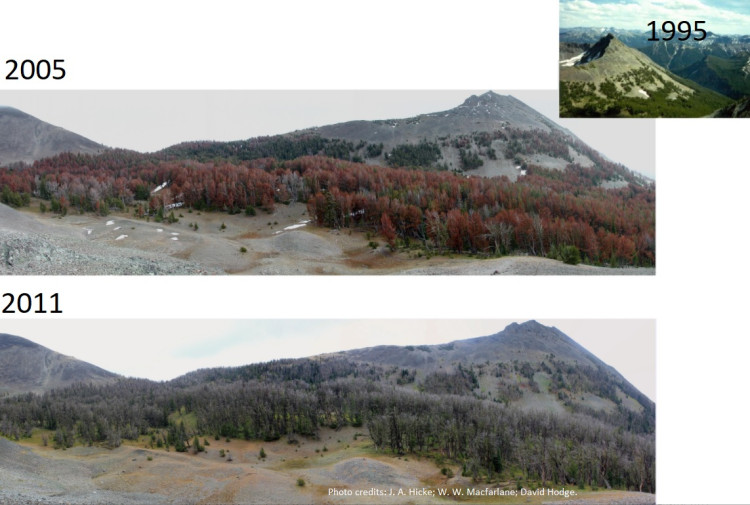
Life history & needs: Whitebark pine is a high-elevation, slow-growing conifer that plays outsized ecological roles: it stabilizes soils, captures snowpack, provides seeds for wildlife (notably grizzly bears and Clark’s nutcrackers), and shapes avalanche and watershed dynamics. It depends on Clark’s nutcracker birds for seed dispersal.
Habitat & current conditions in the GYE: Once common on subalpine ridgelines, whitebark pine has suffered severe declines from an introduced fungal pathogen (white pine blister rust), mountain pine beetle outbreaks (aided by warmer winters), and changes in fire regimes. Loss of whitebark reduces high-elevation food for bears and alters snow dynamics.
Monarch butterfly (Danaus plexippus) — Proposed threatened
Life history & needs: Monarchs (the migratory eastern and western populations) require milkweed for their larvae and a network of nectar plants for adults during migration. The western population historically migrated to California coasts but there has been a shift in overwintering sites as well as a decline in numbers.
Habitat & current conditions in the GYE: Monarchs pass through and breed in parts of the GYE where milkweed and flowering nectar sources persist. Agricultural conversion, pesticide use, and habitat loss along migratory corridors reduce breeding and stopover resources. Climate shifts that alter flowering phenology (or the timing of natural events) can further decouple monarchs from critical resources.
Suckley’s cuckoo bumble bee (Bombus suckleyi) — Proposed endangered
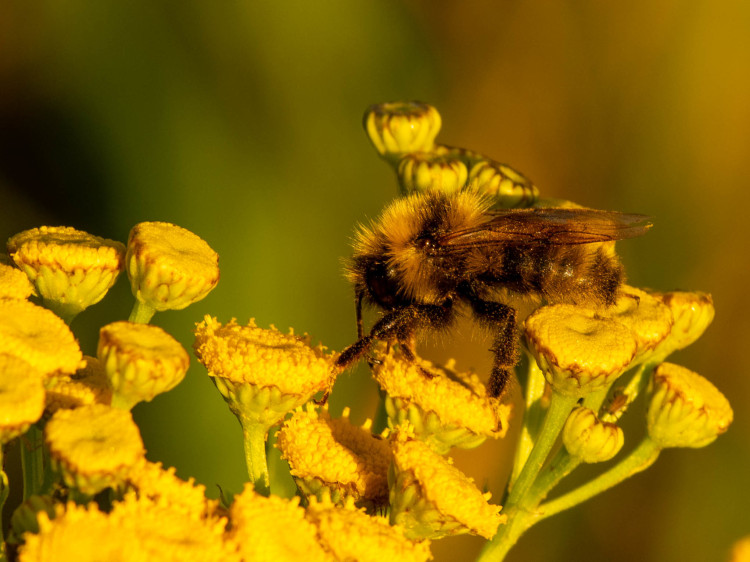
Life history & needs: Suckley’s cuckoo bumble bee is a long-tongued bumble bee adapted to foraging from a variety of native wildflowers at mid- to high elevations. Like many bumble bee species, it has suffered steep declines due to a combination of disease, habitat loss, pesticide exposure, and competition with non-native bees.
Habitat & current conditions in the GYE: Historically more widespread, Suckley’s and related native bumble bees are now much less commonly detected. Loss of native flower-rich meadows, grazing and land-use change, and pathogen spillover from commercially managed bees are suspected drivers.
Common Threats Across Species
- Climate change: Shifts in snowpack, plant phenology, and temperature affect species differently but widely — from shrinking denning snow for wolverines to stressing whitebark pine and altering food availability for grizzlies.
- Habitat loss and fragmentation: Roads, development, altered fire regimes, and changes in riparian systems reduce the quantity and quality of habitat and isolate populations.
- Human-wildlife conflict & recreation: Bears and other large mammals collide with human activity; increased backcountry recreation can disturb sensitive denning or nesting sites.
- Disease, pests, and invasive species: From blister rust in pines to pathogens impacting pollinators, biological threats can rapidly compound other stressors.
- Pesticides & land-use change: Pollinators are particularly vulnerable to landscape conversion and chemical exposures.
What’s Being Done — and what still needs work
Federal protections (listings and recovery plans), on-the-ground habitat restoration, targeted species monitoring, efforts to reduce human-wildlife conflicts (bear-proofing, outreach), and landscape-scale planning to maintain connectivity are all parts of ongoing conservation in the GYE. But adaptation to climate change — protecting climate refugia, preserving elevational and latitudinal corridors, and bolstering ecosystem resilience — will be essential. For pollinators and plants, reducing pesticide exposure, restoring native floral resources, and limiting pathogen spillover are priorities.
How You Can Help
- Get informed. Read agency recovery plans and local science summaries (park/USFWS publications) so your actions line up with priorities.
- Restore native habitat. Plant native flowers and milkweed in home gardens and on community lands; support meadow and riparian restoration projects.
- Reduce pesticide use. Avoid broad-spectrum insecticides and herbicides that harm pollinators and invertebrate food webs.
- Practice responsible recreation. Keep distance from wildlife, store food properly, stay on trails in sensitive alpine and riparian areas, and obey seasonal closures.
- Support conservation organizations and policies. Donations, volunteer time, and advocacy for science-based protections and corridor conservation matter.
- Report sightings. Citizen science platforms and park biologists can use verified sightings of rare species to help monitor populations.
The species listed by USFWS in 2025 that occur in Yellowstone — from the cryptic wolverine and wide-roaming grizzly to the signature whitebark pine and tiny Suckley’s bumble bee — are more than names on paper. They are threads in an ecological tapestry woven across mountain, meadow, and river. Their fates are entangled with how we manage land, water, and climate at local and continental scales. Protecting them isn’t just about cataloguing loss; it’s about acting now to maintain the wild, interconnected character of the Greater Yellowstone Ecosystem for the next generation.