
Clearing the Way: How Removing Old Fences Helps Wildlife Move Freely Across the Greater Yellowstone Ecosystem
For generations, ranching shaped the landscape of Jackson Hole and the surrounding valleys. Before much of the region became public land, ranches and homesteads dotted the landscape, with fences marking property boundaries, enclosing pastures, and keeping livestock where they belonged. As ranching operations changed, properties were sold, and land was incorporated into protected areas like Grand Teton National Park, many of those fences remained behind.
Today, miles of aging barbed wire, buckrail, and other fencing still crisscross the landscape. While these structures may be remnants of the region's ranching history, they can create significant challenges for the wildlife that depends on moving freely across it.
Fortunately, there's something we can do about it.
When Fences Become Barriers to Wildlife
The Greater Yellowstone Ecosystem is home to some of the longest and most impressive wildlife migrations in North America. Elk, mule deer, pronghorn, and other ungulates move across the landscape throughout the year, following seasonal changes in food availability, weather, and habitat conditions.
In the spring, migrating animals follow emerging vegetation to take advantage of nutrient-rich forage. In the fall, they move toward lower-elevation winter ranges where food and shelter are more accessible. These seasonal journeys have evolved over thousands of years, often following the same routes generation after generation.
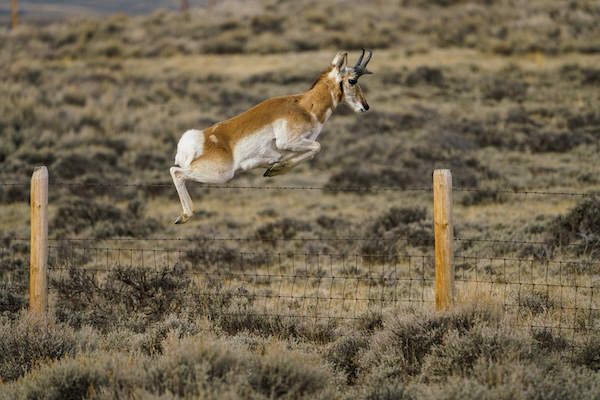
Fences can interrupt these movements in several ways. Some animals attempt to jump over them, while others crawl underneath or navigate around them. For large ungulates, jumping a fence can be particularly difficult when the top wire is difficult to see or the bottom wire is too low. Animals can catch their legs, become entangled, and suffer serious injuries or die. Young animals are especially vulnerable, sometimes becoming separated from their mothers when they cannot successfully cross a barrier.
Birds aren't immune, either. Low-visibility strands of barbed wire can be difficult for birds such as sage grouse to see, particularly when flying at low elevations. Collisions can result in severe injuries or death.
Even when animals successfully navigate a fence, the cumulative effect of thousands of miles of fencing can fragment habitat and restrict access to important feeding, breeding, and wintering areas. Pronghorn, for example, are reluctant to jump fences and often travel considerable distances to find a place to pass underneath or around them. In a landscape where wildlife depends on the ability to move between seasonal ranges, even seemingly insignificant barriers can have an outsized impact.
Giving Wildlife Room to Roam
Removing unnecessary fencing is one of the most straightforward ways to improve wildlife habitat and restore connectivity across the landscape. When an old fence no longer serves a practical purpose, taking it down eliminates a potential hazard and allows wildlife to move more freely. Removing just a section of fencing can reopen a passage between important habitats, reconnect seasonal ranges, and reduce the risk of entanglement and injury.
Of course, not all fences can or should be removed. Working ranches and agricultural operations rely on fencing to manage livestock and protect property. In these situations, modifying existing fences can make a meaningful difference. Wildlife-friendly designs, for example, use appropriately spaced wires, smooth rather than barbed wire where possible, and a higher bottom strand to allow animals to crawl underneath. These adjustments can help accommodate wildlife while still meeting the needs of landowners.
Making the Landscape More Permeable
For nearly three decades, the Jackson Hole Wildlife Foundation (JHWF) has been working to address the challenges that fencing presents to wildlife throughout the region. Through its Wildlife Friendlier Fencing Program, JHWF brings together landowners, conservation organizations, government agencies, and community volunteers to remove obsolete fencing and modify existing fences to improve wildlife passage.
Since the program began, the organization and its volunteers have removed or improved more than 268 miles of fencing across the region. That's hundreds of miles of potential barriers eliminated, making it easier for wildlife to access the habitat they depend on.
The work continues every year. In 2025 alone, JHWF organized 25 fence project days, with volunteers removing approximately 8.1 miles of fencing and helping raise or lower another 15.5 miles. More than 120 dedicated volunteers contributed their time to these efforts. According to the foundation, its fence removal work since 1997 is estimated to have saved approximately 100 adult ungulates and more than 200 calves and juveniles from fence-related mortality.
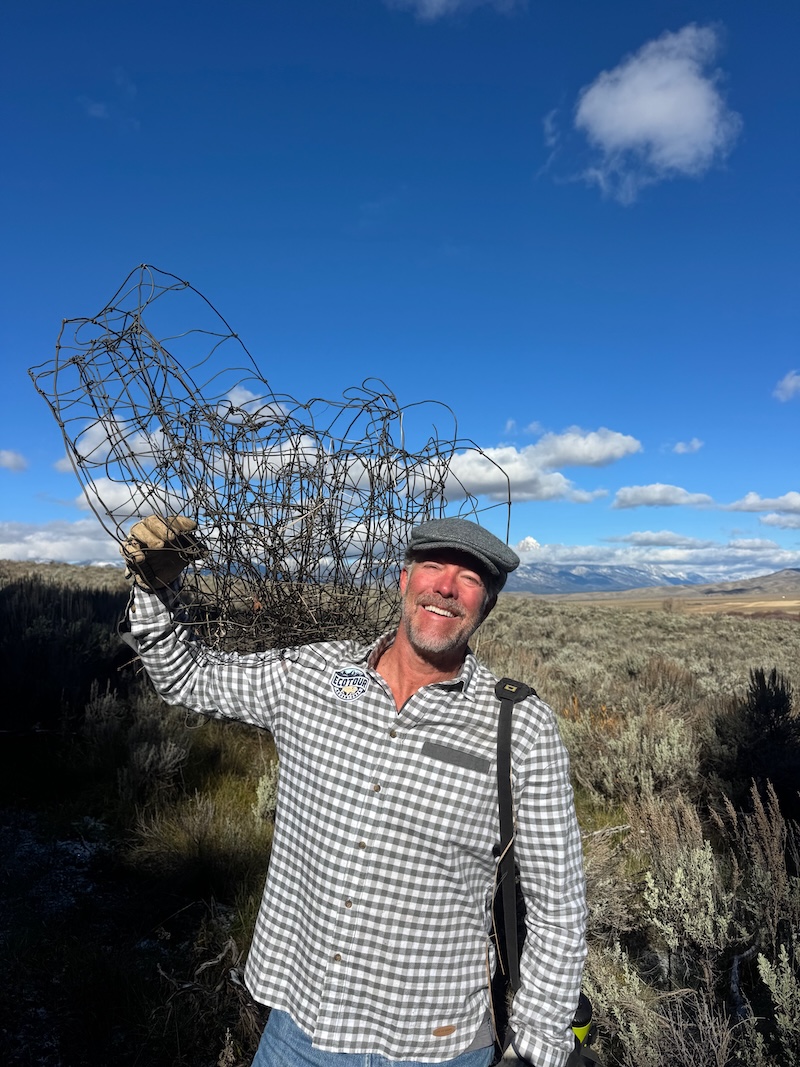
At EcoTour Adventures, we are proud to contribute to this important work. Since 2012, we have been volunteering our time with JHWF on fence removal projects throughout Teton Valley. We know firsthand how important connected habitat is to the animals that call this region home. Supporting the conservation of these wild places is an important part of our commitment to the landscape we work in and depend on.
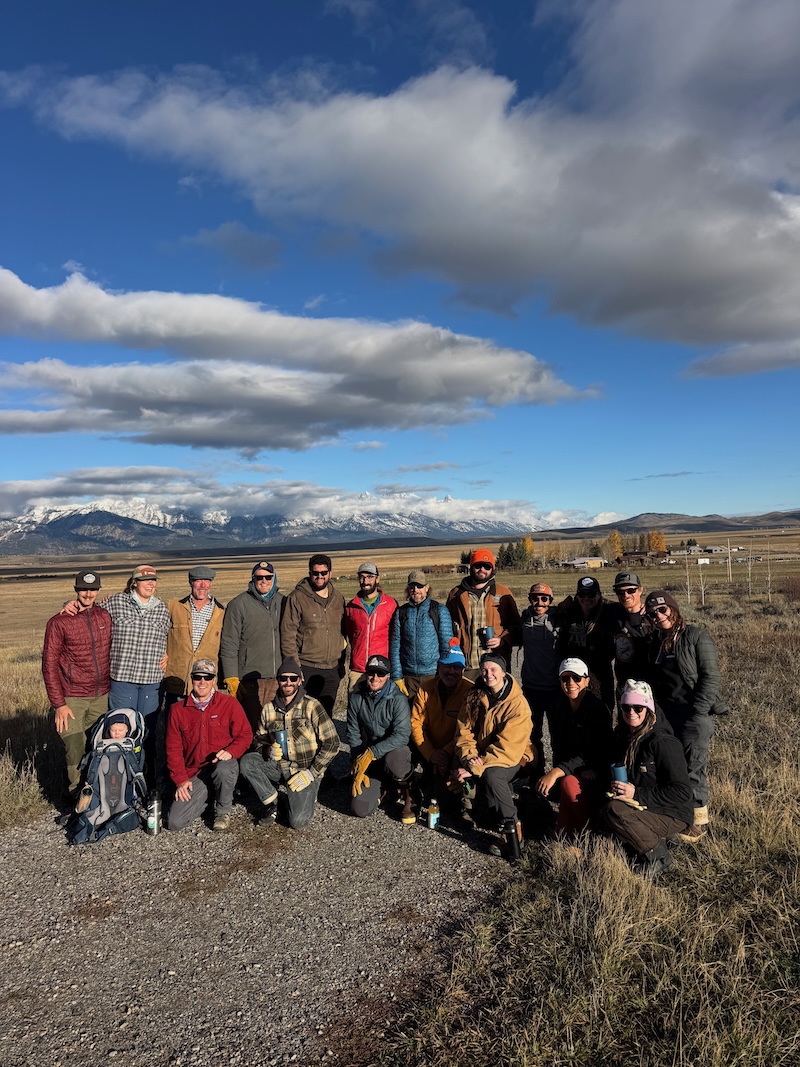
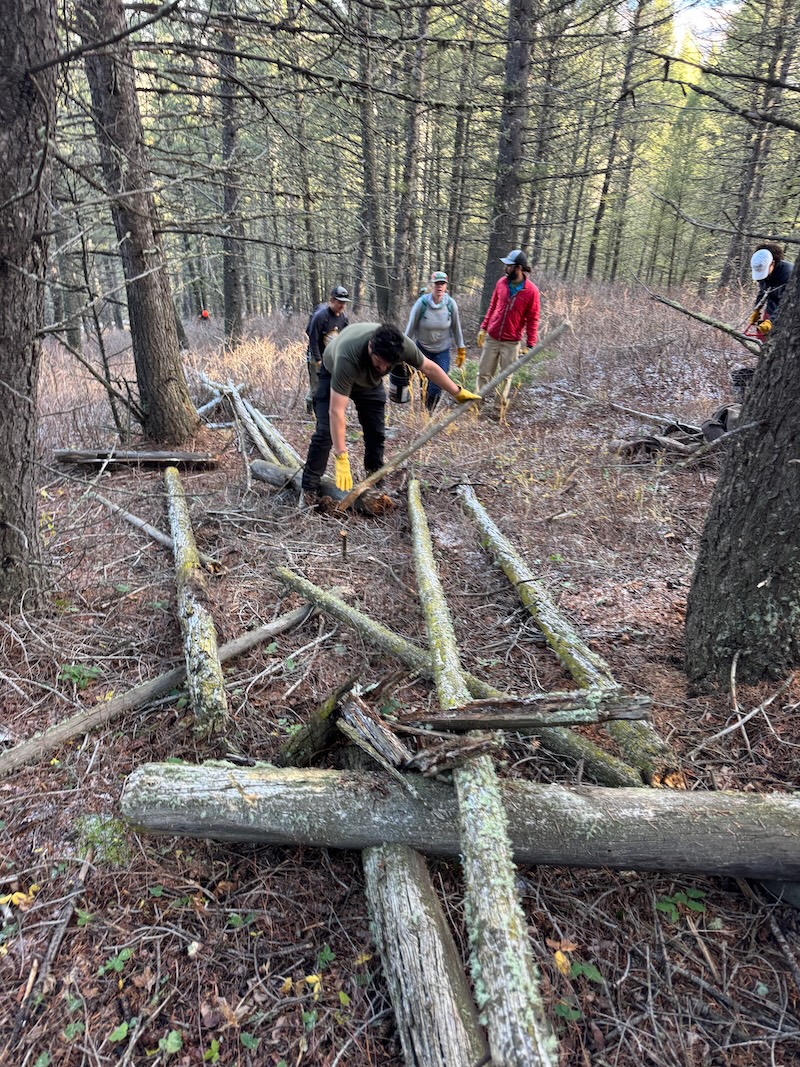
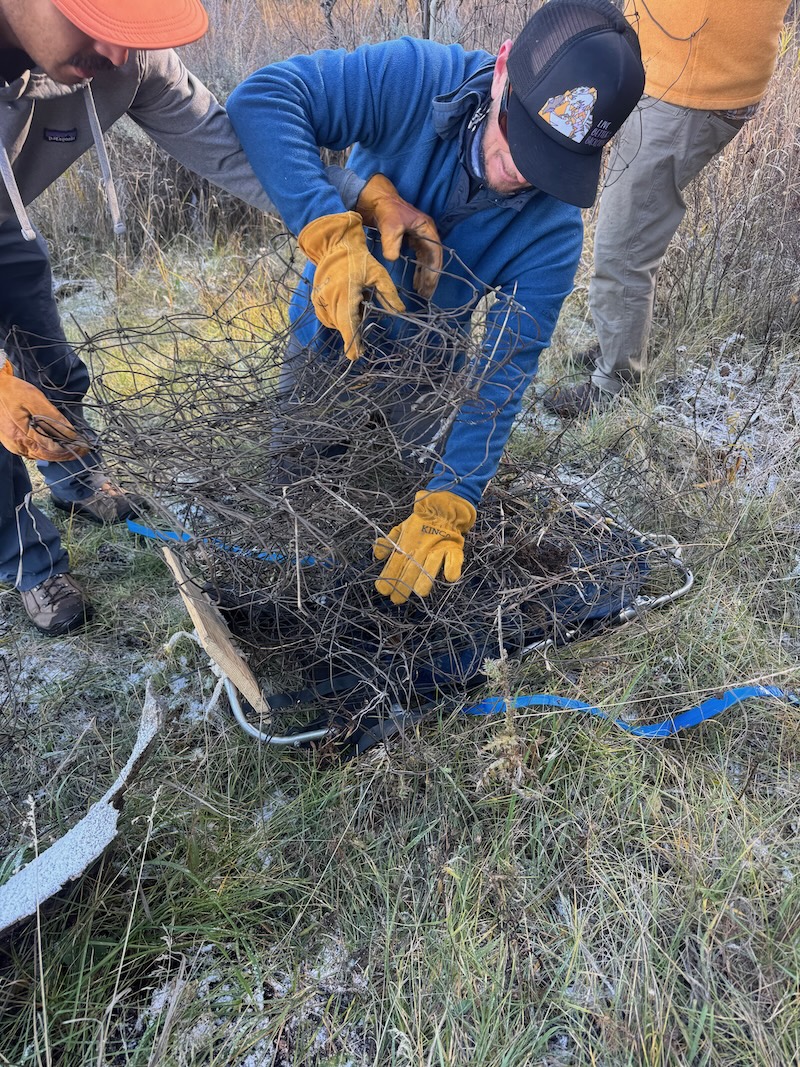
This year, we joined JHWF on October 28th and removed approximately a quarter mile of fencing over four hours. While that might seem like a small contribution, every section of obsolete fence removed helps make the landscape more permeable and creates safer opportunities for wildlife to move between important habitats.
A More Connected Future for Wildlife
The Greater Yellowstone Ecosystem remains one of the most important strongholds for wildlife in the contiguous United States. But protecting wildlife means more than setting aside land within park boundaries. It also means ensuring that animals can move between those protected areas, access seasonal habitat, and follow the migration routes that have sustained them for generations.
Organizations like the Jackson Hole Wildlife Foundation rely on partnerships with landowners, agencies, businesses, and volunteers to identify problem areas and get the work done. Every mile of fencing removed represents a little more freedom of movement for wildlife and a little less risk of injury or mortality. At EcoTour Adventures, we're grateful for the opportunity to contribute to these efforts. We believe that experiencing the wild places and wildlife of the Greater Yellowstone Ecosystem comes with a responsibility to help protect them. Whether we're educating guests about wildlife migrations, supporting local conservation organizations, or spending a day pulling fence, we're committed to doing our part.
Want to get involved? The Jackson Hole Wildlife Foundation offers volunteer opportunities throughout the year, including hands-on fence removal projects. Visit their website to learn more about upcoming projects and ways to support wildlife-friendly fencing across the Greater Yellowstone Ecosystem.